 |
 |
|
| دوستان عزیز، لطفآ نظر خود را در مورد متن مرقوم بفرمائید. |
 از دید قرآن كريم، شعر به چه معناست؟
چند نکته جهت روشن شدن بحث لازم و ضروري است:
شعر در لغت به معناي علم دقيق است، ولي در اصطلاح، سخن موزون و قافيه دار را، شعر ميگويند، كه گاهي به آن نظم هم ميگويند، منتهي در شعر از خيالات بهرهبرداري ميشود، ولي نظم در مقابل نثر، در عين حال كه از وزن و قافيه برخوردار است، بر واقعيّات تكيه دارد.[1]
ب: از ديدگاه روايات. جهت بيان روايات، (با اينكه سؤال قرآني است) اين است كه پيامبر گرامي اسلام ـ صلّي الله عليه و آله ـ و ائمه اطهار "عليهم السّلام" به عنوان مفسّران واقعي قرآن كريم، بايد كلام و گفتارشان مورد توجّه قرار گيرد، تا مراد واقعي قرآن روشنتر دريافت شود.
الف: شعر و شاعر در قرآن كريم:
روايات هم بيان رسايي دارد، كه به برخي از آن ها اشاره ميشود:
پيامبر اسلام ـ صلّي الله عليه و آله ـ فرمود: «بعضي از اشعار، حكمت است و پارهاي از سخنان شعر.[12] گاهي شعر غوغا ميكند، و برندگي شمشير، و نفوذ تير را در قلبها دارد. چنان كه پيامبر اسلام ـ صلّي الله عليه و آله ـ در مورد چنين اشعاري فرمود: « به آن كسي كه جان محمد ـ صلّي الله عليه و آله ـ در دست قدرت اوست، با اين اشعار، گويي تيرها به سوي آن ها پرتاب ميكنيد.»[13]
پيامبر اعظم در مورد يكي از شعرايي كه مدافع اسلام بود، فرمود: « دشمنان را هجو كن كه جبرئيل با تو است.»[14] و در جاي ديگر فرمود: تا زماني كه از ما و اهلبيت ـ عليهم السلام ـ با شعرت حمايت كني مورد تأييد الهي ميباشي.»
امام صادق ـ عليه السّلام ـ فرمود: « من قال... هر كس دربارة ما (اهلبيت) شعري بگويد، خدا خانهاي در بهشت براي او بنا ميكند.[15] و در جاي ديگر فرمود، شاعري دربارة ما شعر نگفت جز با تأييد (ملك) و روحالقدس.»[16]
|
|
+ نوشته شده در
۱۳۹۷/۰۹/۲۶ساعت توسط " مدیر وبلاگ " ... |
|


|
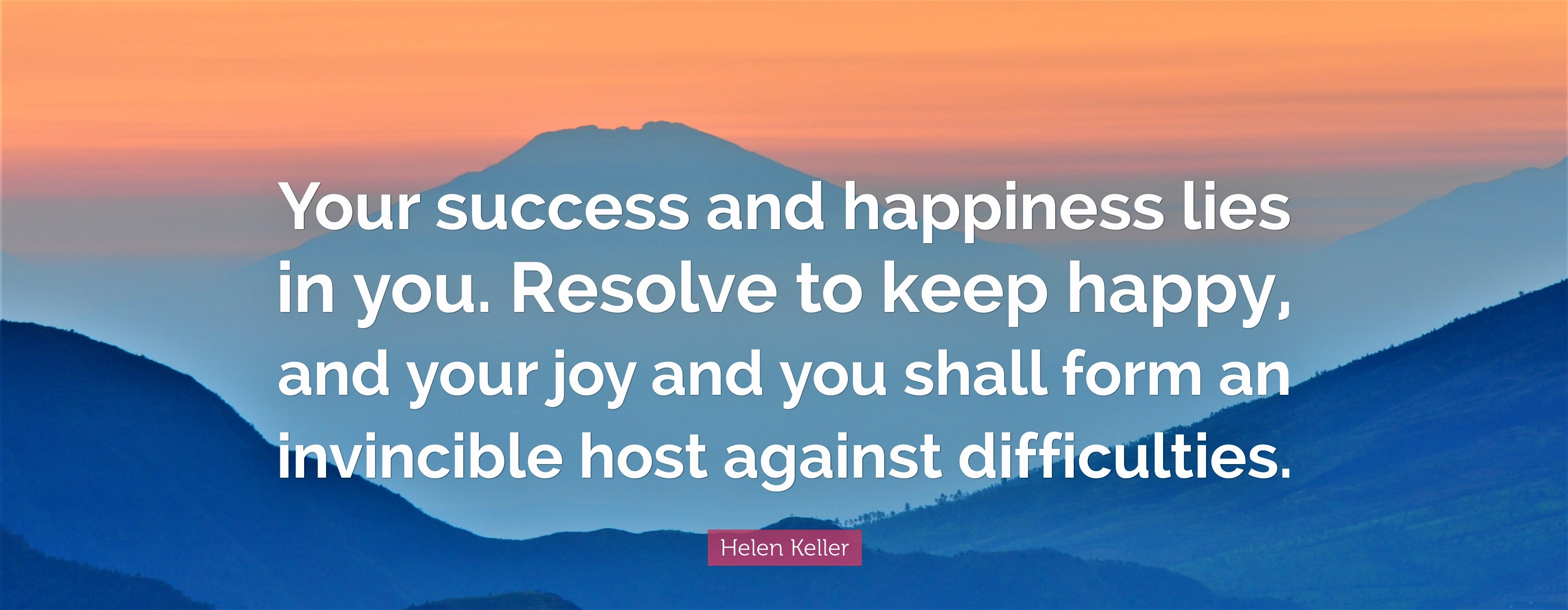
HAPPINESS “Your success and happiness lies in you. Resolve to keep happy, and your joy and you shall form an invincible host against difficulties.” Helen Keller
Happiness is both abstract and concrete… Happiness fills us up and helps us fill others up, May you always have happiness knocking at your door, May your sadness be replaced with abundant happiness May the Happiness you spread return in multiple forms. Elizabeth Frank
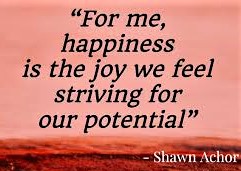
What Does Happiness mean to you? What does HAPPINESS mean to me? What stands in our way? If our purpose in life is to be happy, what weakens our joy and keeps many of us from experiencing even moments of happiness? Perhaps we need to start focusing our energies on what truly makes us happy. If my idea of happiness is enjoying a swim in the pool or taking a long walk by a river, why chuck it out for endless hours of complaining about things we have little control over? If your idea of happiness is enjoying the company of real life friends and good music, why set it aside for something less real and incredibly draining? Happiness is based on the series of actions we take to lift ourselves up and the choices we make. Yet, we deny ourselves the great joy of being happy for reasons that are as individualized as we are; some psychological and some intentional. Intentional? Yes, some folks thrive on whining, and a simple shift in attitude from negative to positive could make a big difference. The most important step we can take on our road to motivating ourselves to be happy is to continually ask ourselves the question: What is stopping me?
“True happiness involves the pursuit of worthy goals. Without dreams, without risks, only a trivial resemblance of living can be achieved.” Dan Buettner.
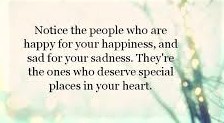
May you be blessed with friends, who truly care, Friends who are willing to take a dare, Friends who do not tell you only what you want to hear, Friends who say a prayer when you are filled with fear, Friends who bless you and, in times of sadness, shed a tear Friends who stick around and wave a flag to help you cheer… Elizabeth Frank
What sacrifices are you making in your life and why? The first few steps to maintaining joy in our lives is to practice self-care and spend time with people who lift us up; friends, and family, mentors and supporters. If we find ourselves thanking the universe for a friend, family, supporter, and holding happy thoughts about them, we have found that special brand of grace in our lives, in our friendships; nurture it, and watch it grow. In growing up, I lived around women in our household who spent a lot of time taking care of others but never taking care of themselves. Of course, everyone spoke highly of these women because they were self-sacrificing, and living up to an imaginary ideal that even they knew they would never fully attain. On the surface, their behavior was admirable. However, on closer examination, it was tragic. They were not happy women. They were not free. Do work that elevates you and helps you fill your happiness quotient. If your work feels chore-like or makes you feel like a martyr then something is off. Mothering should be joyful. Service to others should feel good even with the challenges that come with any type of work. Find a way to be happy with your choices and add other options to your life so you can stay connected to your interests and to the world… We need all of the above.
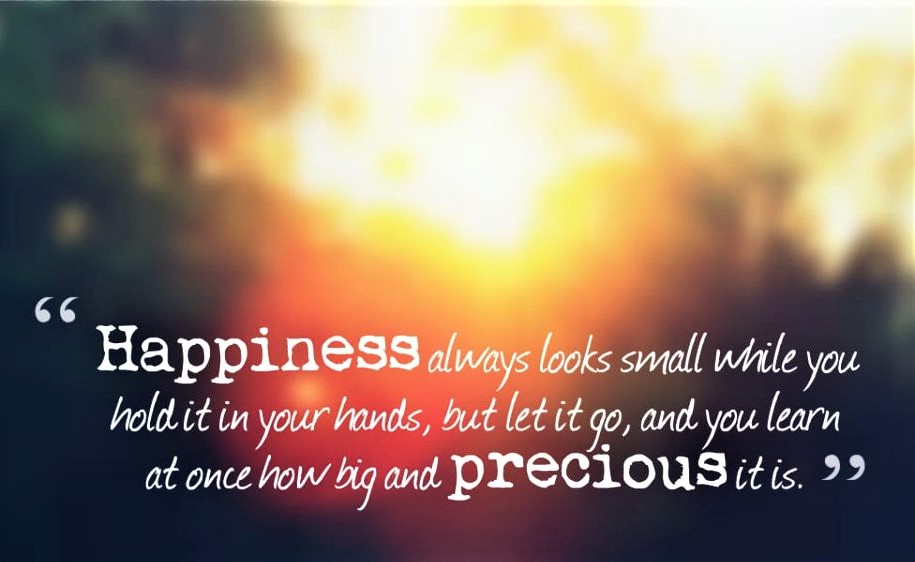
A Story: Mulla Nasruddin Steals Happiness Mulla Nasruddin was a local clergy in a small village in Turkey. He was a simple man, but his intelligence and razor sharp wit made him very popular with the people. His stories are related with humor and each one has a moral, making it a favorite with children. The tales of Mullah Nasruddin are widely told throughout the Middle East and Central Asia. Mulla Nasruddin saw a man sitting hopeless at the side of the road and asked him what troubled him. “Happiness always looks small while you hold it in your hands, but let it go, and you learn at once how big and precious it is.” Maxim Gorky.
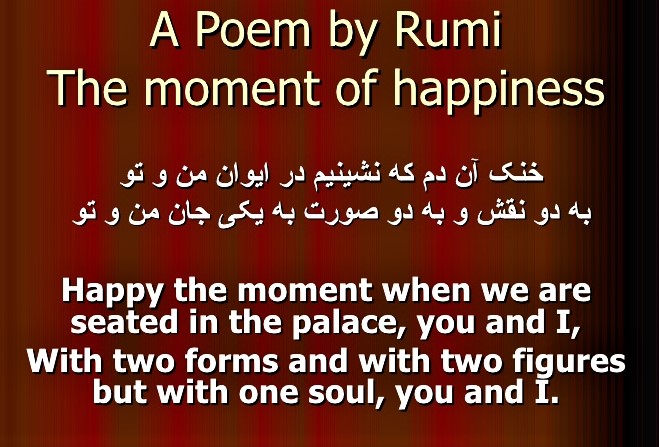
A moment of happiness, you and I sitting on the veranda, apparently two, but one in soul, you and I. We feel the flowing water of life here, you and I, with the garden’s beauty and the birds singing. The stars will be watching us, and we will show them what it is to be a thin crescent moon. You and I unselfed, will be together, indifferent to idle speculation, you and I. The parrots of heaven will be cracking sugar as we laugh together, you and I. In one form upon this earth, and in another form in a timeless sweet land.
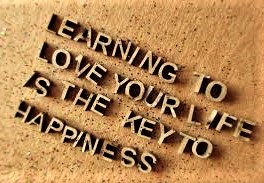
Do you experience snatches or long periods of happiness? If your happiness is infrequent, determine what triggers the feelings of lack, make peace with your situation and decide that you are doing the best you can to address the issues that bother your spirit. You see, we have this misconception that unless we have a full bank account, all the sexy gear around us, charming suitors and other extravaganzas, we do not deserve to be happy. We forget that happiness does not always have to be tied to “things.” Let go of the limited expectations and start to just be present and grateful for what is. As your gratitude grows, your happiness will grow; join the two by finding things to make you laugh and add to your happiness; it is a CHOICE! The poem above by Rumi is food for thought; see the joy in the simplest of events.
“So many conditions of happiness are available; more than enough for you to be happy right now. You don’t have to run into the future to get more.” Thich Nhat Hanh
What would your happy world look like? When we spend, time nurturing ourselves, and freely pursuing our interests while nurturing those around us, our happiness tank is full. First, we must accept that we are okay and that the work we do is necessary for our survival Just like the flight attendants tell us to put our oxygen masks on first before helping our kids on a descending plane, we must fuel our bodies and minds with rich nutrients and oxygen. When we give ourselves space to become fit and stable, we are in a better position to help others. Our actions affect our choices and can make us happy or sad. If you can spend time being miserable, find time to embrace happiness too. It is your right and we all deserve those happy, joyful days and activities… Let us go do it!
A Story: The Donkey and His Masters by: Author Unknown A donkey, belonging to an herb-seller who gave him too little food and too much work, made a petition to Jupiter (a Greek God) to be released from his present service and provided with another master. Jupiter, after warning him that he would repent his request, had him sold to a tile-maker. Shortly afterwards, finding that he had heavier loads to carry and harder work in the brickfield, the donkey petitioned for another change of master. Jupiter told him that it would be the last time that he could grant the request, and then sold the donkey to a tanner. The donkey soon found that he had fallen into worse hands, and noting his master’s occupation, said, groaning: “It would have been better for me to have been either starved by the one, or to have been overworked by the other of my former masters, than to have been bought by my present owner, who will even after I am dead tan my hide, and make me useful to him.” He that finds discontentment in one place is not likely to find happiness in another. |
|
+ نوشته شده در
۱۳۹۷/۰۹/۲۱ساعت توسط " مدیر وبلاگ " ... |
|
|
صفحه نخست آرشیو وبلاگ Posts Title List - تیتر مطالب |
| درباره وبلاگ |

همّت ز پی علم وهنر کن مصروف
تاآنکه شوی بفضل ودانش معروف و آنگاه عمل به علم کن تا گردی از زمرهء اهل دانش و اهل وقوف |
| پیوند ها |
|
چهرهای ماندگار گلچین اشعار ایرج میرزا شعر نو اطلاعات شعر و خوشنويسي - 1 شعر و خوشنويسي -2 شعر و خوشنويسي - 3 شعر کهن گنجور مثنوی معنوی دیوان حافظ |
|
RSS
|
| Tehran |